
Rules
Part of Biosynthetic and biofabricated materials, reviewed without the sales pitch
Which habits around biofabricated materials are worth keeping?
Biofabricated material problems diagnosed: trace cracking, swelling, delamination, batch variation, contamination, odor, weak claims, and disposal conflicts.
What to take away
- Preserve the failed sample and version record before changing the process.
- Diagnose biological production, formulation, finishing, assembly, use, and claims separately.
- Coating failure should not be blamed on the grown base without evidence.
- Batch variation needs process control, not selective sample presentation.
- Disposal wording must be corrected when the tested sample differs from the product.
Symptom map
| Symptom | Likely areas | First checks |
|---|---|---|
| Uneven thickness | Growth conditions, scaffold, pressing, coating | Batch map and cross-section |
| Cracking during flex | Drying, plasticizer, coating, thickness | Flex location and formulation |
| Swelling or distortion | Hydrophilic base, finish, edge exposure | Wet path and dimensional change |
| Delamination | Adhesive, backing, surface preparation | Failure interface |
| Odor | Residual medium, moisture, microbes, finish | Timing, storage, microbiological status |
| Color drift | Biological variation, dye, pH, coating | Batch, light, care, formula |
| Contamination | Process hygiene, air, feedstock, storage | Culture and batch records |
| Unsupported claim | Wrong test sample or scope | Claim, report, formulation version |
Diagnostic order
Quarantine affected production when safety, contamination, or unknown biological activity is possible. Photograph and retain representative samples. Record batch, site, date, operator, feedstock, organism, process settings, formulation, finish, storage, and use.
Then locate the failure layer. A crack within a coating differs from a crack through a cellulose sheet. Delamination at an adhesive interface differs from cohesive tearing inside the base. The layer vocabulary comes from the main biofabricated materials guide.
Problem 1: batch variation
Biological systems respond to temperature, nutrients, moisture, oxygen, contamination, and time. Feedstock variation may compound the effect.
Diagnose
Plot thickness, density, moisture, strength, color, yield, and rejection by batch and location. Compare incoming feedstock and process settings. Do not average away edge or center failures.
Fix
Tighten the variables linked to failure, define acceptance ranges, and retest multiple batches. A hand-selected sample is not an adequate control plan.
Problem 2: cracking after drying or flexing
Microbial cellulose sheets and other grown materials can become stiff or brittle depending on drying, plasticizer, thickness, humidity, and finish.
Diagnose
Map cracks through the cross-section. Compare conditioned and dry samples. Review plasticizer, drying rate, coating, fold radius, and flex cycles.
Fix
Adjust the confirmed layer and repeat wet, dry, and aging tests. Increasing plasticizer or coating may solve flex while changing migration, hand, safety, or disposal, so reassess the full formulation.
Problem 3: swelling, water spotting, or edge failure
Hydrophilic material may take up water. A protective surface can leave cut edges or stitch holes exposed.
Diagnose
Trace the entry point. Compare face, back, edge, and seam. Measure change after controlled exposure and drying. Inspect for coating whitening, adhesive loss, odor, and permanent distortion.
Fix
Redesign edge sealing, coating, construction, or care if evidence supports it. Do not claim water resistance from an intact flat sample when product edges fail.
Problem 4: delamination
Layered biofabricated materials may combine a grown sheet, textile backing, adhesive, and coating.
Diagnose
Identify which interface separated. Review surface preparation, cure, moisture, flex, heat, and chemical compatibility. Check whether the failure occurs before or after aging.
Fix
Change the interface or joining method and rerun flex, peel, wet, heat, and care tests. Record how any new adhesive changes composition and disposal claims.
Problem 5: contamination or unexpected growth
Growth processes can be vulnerable to unwanted organisms. A finished material may be deactivated without being sterile.
A review of engineered bacterial-cellulose materials distinguishes living and nonliving material concepts and describes the production and engineering challenges involved. Product records should make the finished biological state explicit.
Diagnose
Stop distribution when safety is uncertain. Use qualified microbiological assessment and trace feedstock, culture, air, equipment, handling, deactivation, packaging, and storage.
Fix
Correct the validated contamination route, define microbial limits, and review containment and worker exposure. Do not mask odor or visible growth with fragrance or coating. Mold on finished natural-fiber textiles is a related but distinct problem, covered in the natural fiber failure guide.
Problem 6: an impressive base fails as a product
A lab material may have acceptable tensile strength yet fail stitching, edges, repeated flex, perspiration, cleaning, or hardware attachment.
Diagnose
Compare coupon tests with complete-product loads. Inspect stress concentration, hole formation, seam geometry, adhesive, and backing. Use the actual thickness and finish.
Fix
Revise product architecture or material specification. If the route cannot meet a mandatory use at practical thickness and formulation, stop the application rather than lowering the claim.
Problem 7: the bio-based label is overread
A certified content percentage may be repeated as proof of safety, biodegradability, or overall superiority.
USDA BioPreferred guidance states that its certified label reports bio-based carbon content and does not test or judge product safety. Correct any copy that extends the label beyond that scope.
Diagnose
Match each sentence to the certificate, test, or report that supports it. Mark claims with no direct evidence.
Fix
State the tested content and method. Review safety, performance, impact, and disposal separately. Content-percentage confusion has its own entry in the bio-based fiber problem guide.
Problem 8: disposal claim covers the wrong sample
A base sheet may pass a biodegradation test while the commercial material adds backing, coating, dye, adhesive, and hardware.
Diagnose
Compare test specimen and bill of materials. Check environment, duration, pass criteria, residues, and local facility acceptance.
Fix
Retest the finished relevant material or narrow the claim to the tested component. Remove practical composting or recycling instructions when no accessible route accepts the product.
Prevention plan
Version every sample
Mark formulation, batch, site, date, thickness, color, finish, and scale. Photograph the sample before testing. Prevent a prototype from being confused with the approved material. Version freezing is Step 2 of the biofabricated evaluation workflow.
Define conditioning
Set humidity and temperature before measurement and test the environments the product will face. Record whether results are wet, conditioned, or dry.
Test interfaces
When a product has base, backing, coating, adhesive, and hardware, test each interface. Peel, flex, wetting, heat, and aging reveal failures that a flat tensile test can miss.
Keep a failure library
Retain representative cracks, delamination, color drift, contamination, edge damage, and rejected batches when safe. Connect each to investigation and corrective action.
Control public wording
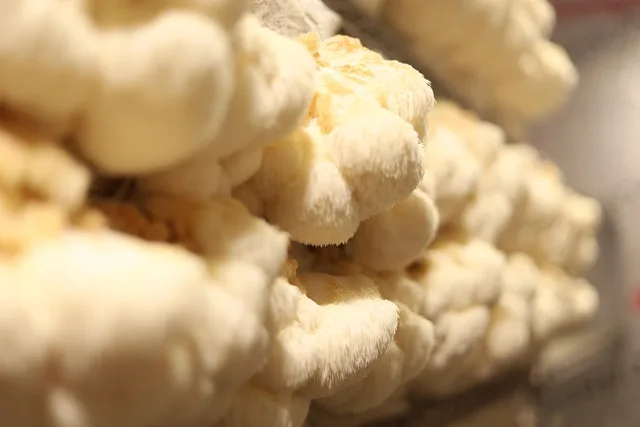
Maintain a claim table with sentence, evidence, scope, date, owner, and approved channels. Review photography too. An image of pure mycelium beside a heavily coated composite can imply the wrong composition.
Monitor after launch
Track returns by failure mode, product area, batch, climate, care, and time in use. Do not group odor, cracking, seam failure, and color change under one quality code.
Correction record
Field / Entry
- Symptom and location
- Product and material version
- Batch, site, and date
- Confirmed cause
- Excluded causes
- Corrective action
- Tests repeated
- Claim or customer update
- Owner and closure date
Close a case only after the correction is verified. A process change without a repeated test is a hypothesis.
Common questions
Does odor prove microbial contamination?
No. Residual medium, moisture, coating, adhesive, or packaging can also cause odor. Treat unexpected odor as a symptom and test the cause.
Can coating solve every water problem?
No. Edges, seams, damage, vapor, flexing, and adhesion can still fail. A coating also changes formulation and end-of-use behavior.
Why do pilot and commercial batches differ?
Equipment, airflow, heat transfer, drying, feedstock, handling, and process control may change with scale. Validate the commercial process directly.
Should a contaminated batch be composted?
Not without an approved route and safety assessment. Contamination, formulation, and facility rules determine handling.
When should a claim be removed?
Remove it when no precise version is supported for the marketed product. Do not keep broad wording while waiting for evidence.