Reviews
A framework for textile reuse and recycling comparison
This textile reuse and recycling comparison framework uses seven criteria to assess direct reuse, repair, remanufacture, recycling, and residual treatment.

Section
Reviews
This textile reuse and recycling comparison framework uses seven criteria to assess direct reuse, repair, remanufacture, recycling, and residual treatment.
Reviews
Fashion supply chain traceability compared: documents, spreadsheets, databases, product passports, identifiers, custody models, and verification levels.
Reviews
GOTS, OEKO-TEX, Cradle to Cradle, FTC Green Guides and EU Ecolabel compared on scope, evidence, and what each certification mark actually proves.
Reviews
This garment durability and care comparison covers wash, dry, and finish routes, US cost figures, and care guidance for bio-based fibers.
Reviews
This comparison gives eight criteria for scoring circular fashion design routes and shows where durability, repair, reuse, rental, remanufacture, and recycling fit.
Reviews
A skeptical guide to bio-based activewear: how to read fiber labels, request wicking, stretch, and odor test data, and judge PLA, lyocell, and compostable claims.
Reviews
PFC-free waterproof coatings bio-based jackets lose repellency with wear. Track the AATCC 22 spray rating after five washes and know what it cannot measure.
Reviews
Bio-based fiber routes compared by real cost drivers, garment fit, and what happens after the sale, from cotton and lyocell to PLA and bio-PET.
Reviews
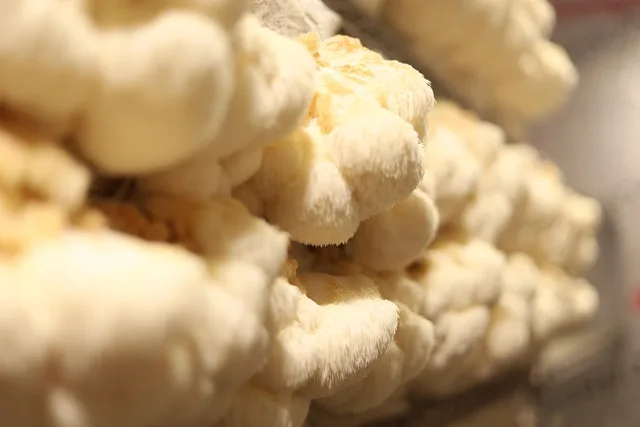
Biofabricated materials compared: weigh microbial cellulose, mycelium, fermentation proteins, biosynthetic polymers, and cultured sheets by product use.
Reviews
Natural textile fibers compared by use: weigh cotton, linen, hemp, wool, and silk for comfort, strength, care, climate, tailoring, repair, and evidence.
Reviews
Older sustainable fashion leaned on fiber swaps and recycled content while newer approaches weigh durability, traceability, repair and end-of-life.
Reviews
Textile dye and finish options compared by fiber fit, color effect, process burden and the named AATCC and ISO test methods, rating scales and standards each option must meet, with limits for practical product decisions.