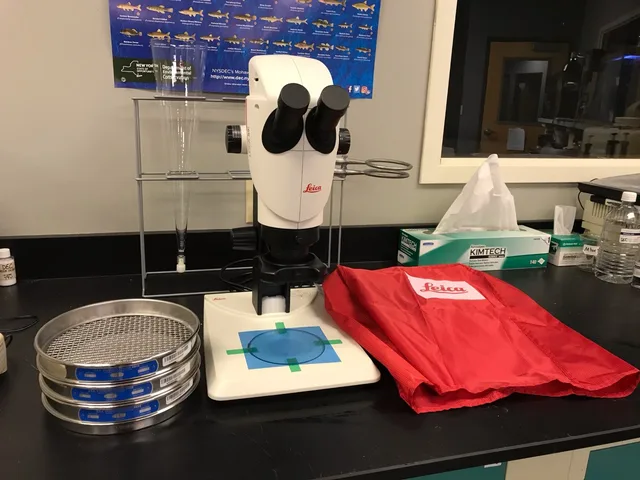
Bio-based synthetics microplastics shedding: how lab laundry tests are run, which protocols and metrics they use, and why a shedding number tells you what the protocol measured, not what your wash releases.
Used textile routing guide: inspect condition, protect health and safety, check local acceptance rules, verify the operator, document handoff, and review outcomes.
Textile reuse and recycling depend on condition, fiber, construction, local options, and verified outcomes—not just a collection bin or recycling claim.
Evaluate garment durability and care step by step: define use, map parts, predict failures, set tests, run care cycles, inspect wear, and approve labels.
How a US buyer reviews a supplier's GOTS, OEKO-TEX and Cradle to Cradle paperwork: match claim to document, spot the gaps that stop approval, then file it.
Bio-based insulation winter jackets work in parts of Canada if fill power, moisture regain and weight match the cold. Prairie winters need more than plant fill.
Bio-based fiber evaluation: use a nine-step process to check feedstock, conversion, claims, garment performance, care, traceability, and end-of-use options.
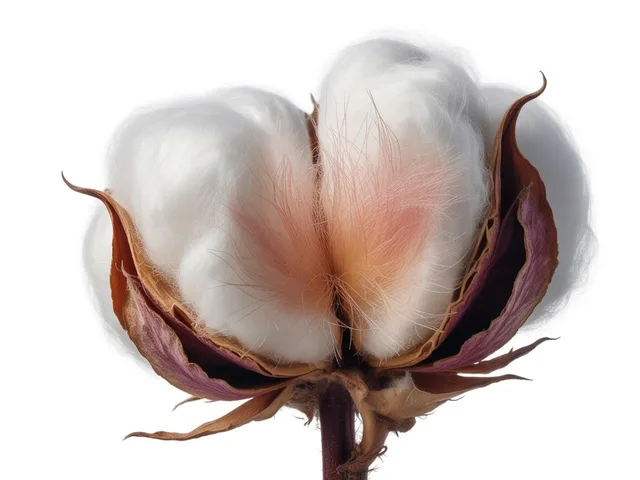
Learn how to evaluate natural textile fibers: check identity, structure, performance, care, sourcing, and product claims; record evidence and uncertainty.
How to evaluate sustainable fashion: test need, fit, construction, care, claims, repair, and end-of-use options with a clear buying method before you shop.
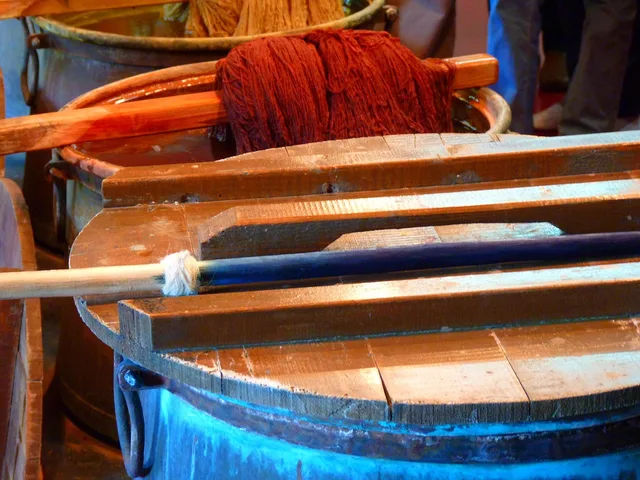
Textile dye and finish decisions made practical: define the product, map the process, check chemistry, test final lots, and document evidence before approval.
Natural textile fibers explained: compare plant and animal fibers by structure, performance, care, sourcing, labeling, blends, durability, and realistic use.