
Bio Fashionista
33 entries across 5 departments, listed in full below.
#
A

B
Bio-Based Activewear: Sweat, Stretch, and Odor Claims to Check
Reviews
Bio-Based Insulation in Winter Jackets: A Canadian Reality Check
Guides
Bio-Based Leather Alternatives Compared: Mushroom, Apple, Cactus, Pineapple
Features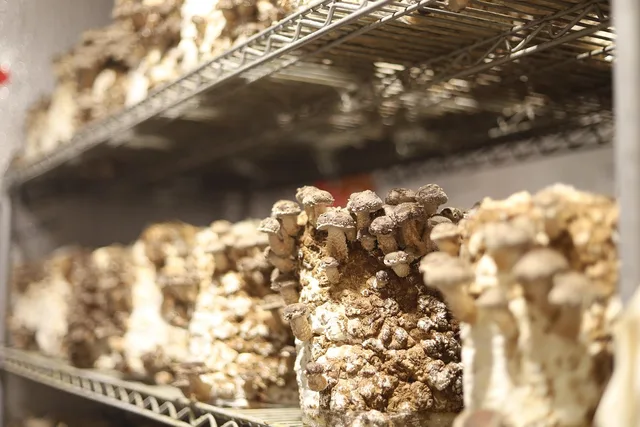
Bio-Based Synthetics Microplastics Shedding: What a Test Report Must State
Guides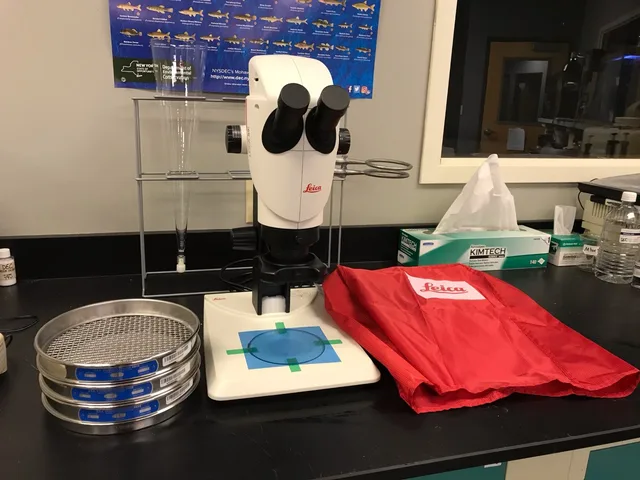
Biofabrication startups: the materials they make and how close each is to market
Features
C
Canadian Textile Labelling: What the Textile Labelling Act Means for Bio-Based Claims
Rules
Circular fashion design choices: materials, repair, resale and take-back
Guides
Clothing labels vs certifications: what the law requires and what is optional
Guides
Compostability claims on bio-based clothing: what U.S. brands must prove
Rules
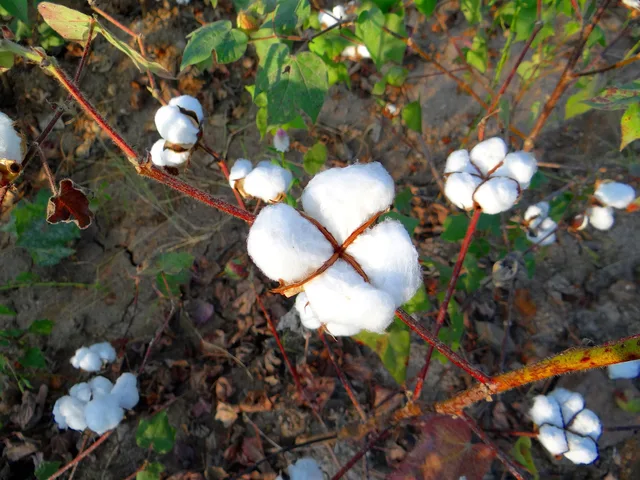
Cotton, linen, hemp, wool and silk: what a buyer can verify
Guides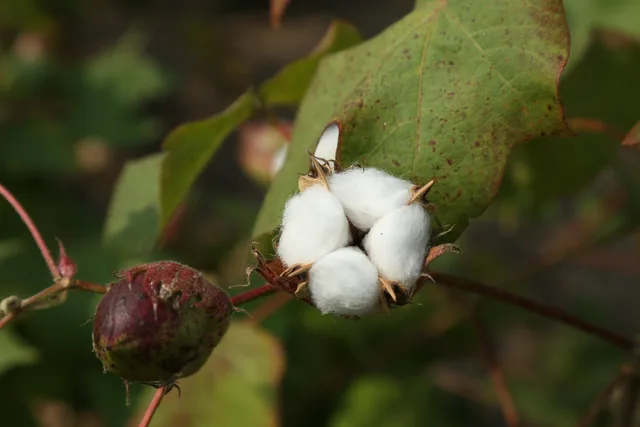
H
M
N

P
R
S
T

W
What Makes a Garment Last: Construction, Care Routines and the Tests Behind Them
Guides
What to do with used clothes: reuse, repair, take-back and recycling routes
Guides
What US small brands pay for bio-based fibers, tariffs, minimums and lead times
Costs
Which bio-based textiles qualify for USDA BioPreferred labeling?
Rules
Why clothes fail: diagnosing pilling, shrinkage, fading and seam damage
Guides
Why does bio-based fiber work in Portland outerwear but fail in Miami swimwear?
Features
Start here
Guides
What to do with used clothes: reuse, repair, take-back and recycling routes
A step method for choosing a route for used textiles: grade condition, screen safety and legal limits, verify the operator and ask for downstream results, with US and EU rules and official figures.
Guides
How to trace a garment through its supply chain and prove it
A step-by-step method to map a garment's tiers, choose a chain-of-custody model, collect transaction certificates and prepare for EU digital product passports.
Guides
Clothing labels vs certifications: what the law requires and what is optional
Required fiber content labels (US and EU), US origin and care labels differ from voluntary marks such as GOTS, OEKO-TEX, bluesign and Cradle to Cradle; this guide shows how to tell them apart.
Guides
What Makes a Garment Last: Construction, Care Routines and the Tests Behind Them
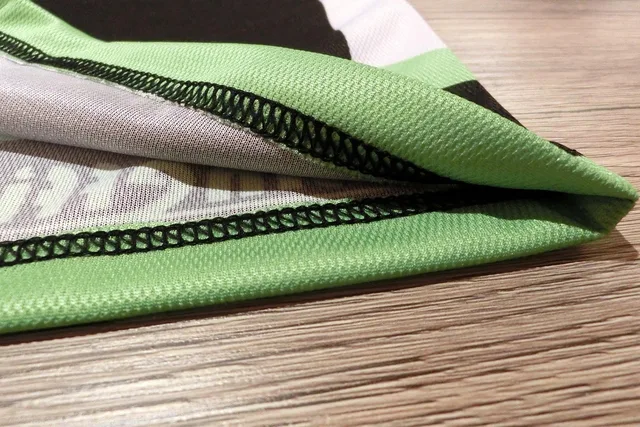
What decides how long a garment lasts, how care choices change it, and which ISO test methods and legal care-label rules apply to washing, drying, pilling, seams and colour.
Costs
What US small brands pay for bio-based fibers, tariffs, minimums and lead times
Bio-based fiber costs for US small brands depend on CBP duty rates, MOQs, domestic mill availability and sourcing routes that fit tight budgets.
Features
Why does bio-based fiber work in Portland outerwear but fail in Miami swimwear?
Bio-based fiber performance Miami Portland diverges under humidity, chlorine and cool wet wear, so ASTM D13 end-use tests decide each market.
Latest from Bio Fashionista
Guides
Recycled Polyester vs Bio-Based Polyester: Which Is Better for Fashion?
Recycled polyester vs bio-based polyester comes down to feedstock, end-of-life and how each claim holds up under US labeling rules and buyer scrutiny.
Rules
Compostability claims on bio-based clothing: what U.S. brands must prove
What U.S. brands must show for compostability claims on bio-based clothing: ASTM D6400 or D6868, FTC Green Guides qualifiers, records, and enforcement.
Features
Bio-Based Leather Alternatives Compared: Mushroom, Apple, Cactus, Pineapple
Bio-based leather alternatives compared: mushroom, apple, cactus and pineapple, with US pricing, durability notes and FTC labelling expectations.
Guides
Bio-Based Synthetics Microplastics Shedding: What a Test Report Must State
A microplastics shedding report for PLA, bio-PET and bio-based polyamides is only checkable when it names the laboratory, sample, method, wash conditions, replicates and uncertainty. This guide explains those fields, what mass and count can and cannot show, and how published capture-rate figures should be read.