Rules
Compostability claims on bio-based clothing: what U.S. brands must prove
What U.S. brands must show for compostability claims on bio-based clothing: ASTM D6400 or D6868, FTC Green Guides qualifiers, records, and enforcement.

Contributor
Harper Reed is the editorial byline assigned to this area. Subject: Sustainable and Bio-Based Fashion: bio, fashionista. Background, definitions and the interpretation of available information belong to this editorial remit. This is an editorial pen name used by the publication, not a claim of an independently verified personal identity.
Rules
What U.S. brands must show for compostability claims on bio-based clothing: ASTM D6400 or D6868, FTC Green Guides qualifiers, records, and enforcement.
Features
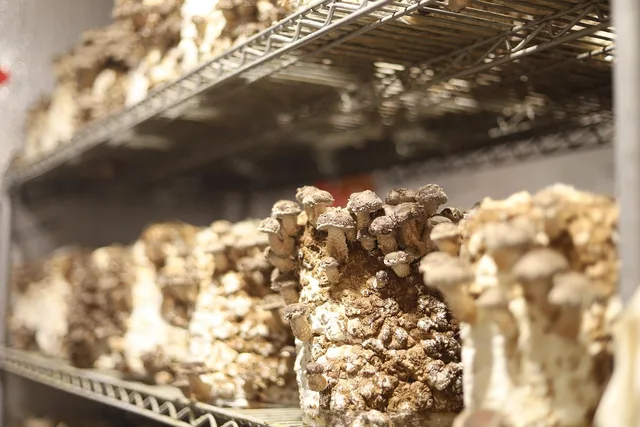
Bio-based leather alternatives compared: mushroom, apple, cactus and pineapple, with US pricing, durability notes and FTC labelling expectations.
Guides
A step method for choosing a route for used textiles: grade condition, screen safety and legal limits, verify the operator and ask for downstream results, with US and EU rules and official figures.
Guides
Required fiber content labels (US and EU), US origin and care labels differ from voluntary marks such as GOTS, OEKO-TEX, bluesign and Cradle to Cradle; this guide shows how to tell them apart.
Guides
A symptom-led guide to garment damage: what usually causes pilling, shrinkage, color transfer, seam failure, peeling coatings, elastic loss and mildew, which test confirms it, and when repair is realistic.
Guides
Explains how garment durability is defined, which ISO tests check shrinkage, pilling, abrasion and seams, what US care labels require, and care choices to compare.
Rules
Textile EPR rules California New York: California's SB 707 sets producer deadlines; New York's bills remain proposals, with implications for bio-based design.
Guides
How a US buyer reviews a supplier's GOTS, OEKO-TEX and Cradle to Cradle paperwork: match claim to document, spot the gaps that stop approval, then file it.
Features
North Carolina textile corridor bio-based fibers: the spinning, knitting and finishing mills, plus university labs, that can run your yarn in the US.
Guides
How designers choose between mono-material and blends, disassembly, durable trims, repairability and take-back, with the EU rules and published design guidelines that now set the criteria.
Features
An illustrative evidence file for a flax and lyocell shirt, then a symptom-first diagnosis of four ways a bio-based garment claim can break down.
Reviews
A skeptical guide to bio-based activewear: how to read fiber labels, request wicking, stretch, and odor test data, and judge PLA, lyocell, and compostable claims.
Guides
Cotton, linen, hemp, wool and silk compared by how each fails and which origin or certification claims can be checked, with the rules behind each label.
Guides
Compare reactive, vat, disperse and pigment routes, printing methods and common finishes by fit and process burden, with the ISO test methods that show whether each one performs.
Guides
How dyeing and finishing work, which EU and US rules and industry lists govern the chemistry, and a preproduction checklist a brand can use before approving a dyed or finished garment.