Features
Bio-Based Leather Alternatives Compared: Mushroom, Apple, Cactus, Pineapple
Bio-based leather alternatives compared: mushroom, apple, cactus and pineapple, with US pricing, durability notes and FTC labelling expectations.
What to take away
- Mushroom, apple, cactus and pineapple materials are mostly plant fibre or agricultural waste bonded with a plastic binder, not grown leather.
- The Federal Trade Commission expects a material called "leather" to be animal skin, so most of these are sold as "vegan leather" or by brand name.
- Durability tracks the backing and coating, not the fruit or fungus on the label.
- Expect $40 to $120 for a wallet and $200 to $500 for a bag at US direct-to-consumer brands, with mushroom versions at the top of that range.
- None of these materials has a US-wide composting or recycling route at scale.
The criteria that matter
Four inputs reach US shoppers in volume: mycelium (mushroom), apple waste, cactus, and pineapple leaf fibre. They differ in what the fibre is, what holds it together, and how a US retailer can describe it.
Bio-based leather alternatives at a glance
Mycelium
- Feedstock
- Fungal mycelium
- Binder
- PU or bio-PU
- US retail example
- Bolt Threads Mylo
- Abrasion outlook
- Moderate
Apple
- Feedstock
- Apple waste
- Binder
- PU
- US retail example
- AppleSkin by Frumat
- Abrasion outlook
- Moderate
Cactus
- Feedstock
- Nopal cactus
- Binder
- PU
- US retail example
- Desserto
- Abrasion outlook
- Moderate to good
Pineapple
- Feedstock
- Pineapple leaf fibre
- Binder
- PLA or PU
- US retail example
- Piñatex by Ananas Anam
- Abrasion outlook
- Moderate
Judge them on five things. Feedstock and binder chemistry. Abrasion and flex performance under daily use. Price at retail in USD. Care and end-of-life options. And the labelling claim the seller can legally make.
The binder is the part buyers miss. A plant fibre mat needs a polymer to hold shape, and that polymer decides how the material ages. The EPA page on PFAS explains why some water and stain repellent finishes are being reformulated, and that reformulation reaches these materials too.
| Material | Feedstock | Typical binder | US retail example | Abrasion outlook |
|---|---|---|---|---|
| Mycelium | Fungal mycelium grown on agricultural waste | PU or bio-PU | Bolt Threads Mylo items, limited runs | Moderate |
| Apple | Apple juice industry waste | PU | AppleSkin by Frumat, used by US bag brands | Moderate |
| Cactus | Nopal cactus | PU | Desserto, sold through US accessories labels | Moderate to good |
| Pineapple | Pineapple leaf fibre | PLA or PU | Piñatex by Ananas Anam | Moderate |
| Grape | Winery waste | PU | Vegea, limited US availability | Moderate |
Option by option
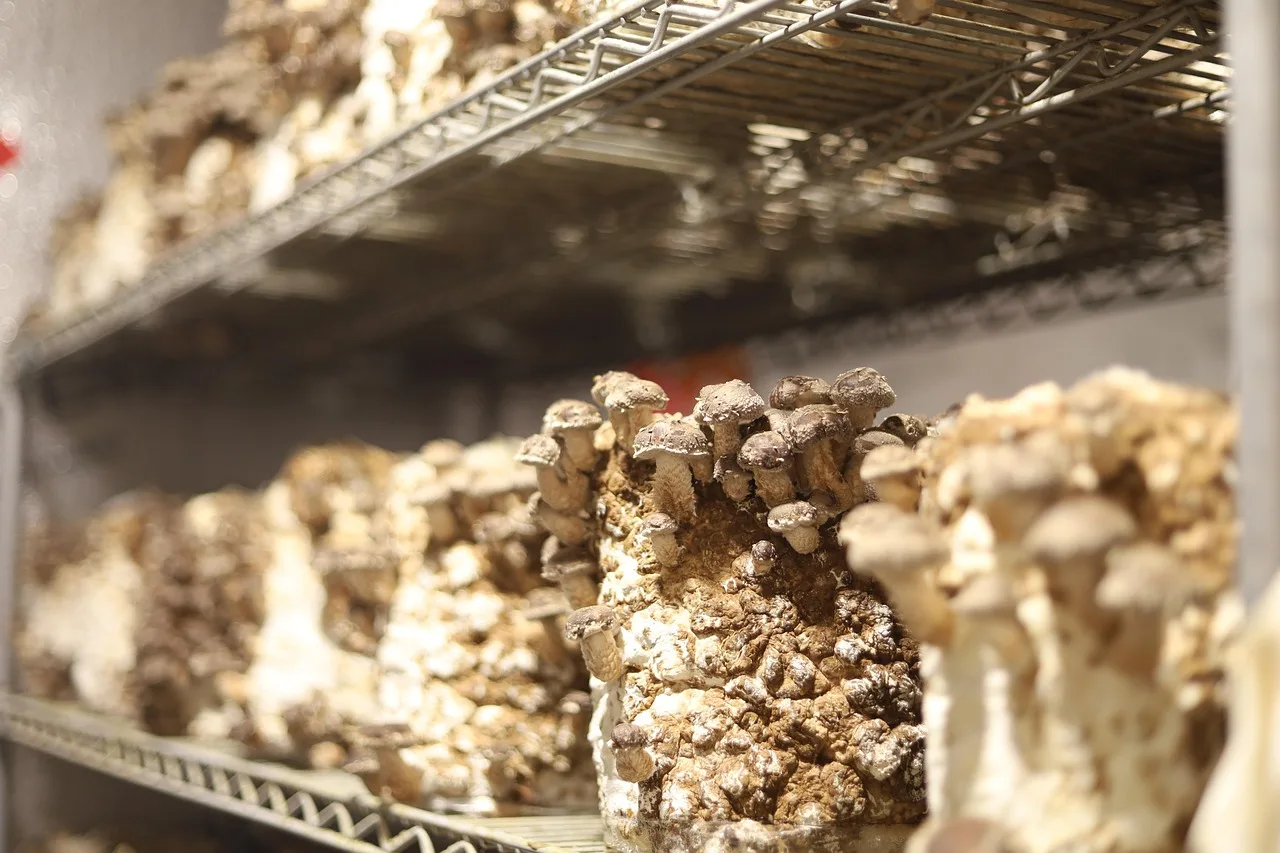
Mushroom. Mycelium is grown on waste, then pressed and tanned. The Wikipedia article on mycelium covers the structure and the cultivation side. US availability is thin and batch sizes are small, so a buyer often waits weeks. Strength is good in thicker sheets. Thin sheets scuff.
Apple. AppleSkin uses pomace left after juicing. It behaves like a coated fabric, so it creases and holds a fold. US bag and shoe brands use it widely. It is the easiest of the four to find in a store.
Cactus. Desserto sheets come from nopal grown in Mexico. The material is soft and takes dye well. It is also the least abrasion resistant in thin weights, which matters on a shoe upper.
Pineapple. Piñatex is a non-woven mesh of pineapple leaf fibre with a resin coating. The Wikipedia article on Piñatex sets out the production chain. It is stiff at first and softens with wear. US brands have used it for bags and small goods since the mid 2010s.
Grape. Vegea takes grape skins and stalks from wineries. Supply is limited and US listings are sporadic, so treat it as a special order rather than a shelf item.
Where each one wins
- Mushroombest where a thicker, stiffer panel is wanted, such as a structured bag.
- Applebest for a first purchase, because returns and repairs are easier.
- Cactusbest for soft accessories that do not see hard abrasion.
- Pineapplebest for a matte, canvas-like look on bags and wallets.
- Grapebest for a limited run product where provenance is the selling point.
Example: reading a product page
A US wallet listing might say "cactus leather, 100 percent vegan." Two claims, one problem. The cactus content is usually a minority share by weight, and the rest is binder and backing.
Ask the seller for the percentage of bio-based content and the name of the backing fabric. If the backing is polyester, the piece will shed fibres in a wash. The Wikipedia article on microplastics explains how synthetic textiles shed. Most of these materials should be wiped, not washed, which limits that risk.
On price, a US direct-to-consumer bag in apple or cactus runs roughly $200 to $350, and mushroom versions run $300 to $500. Wallets sit near $40 to $120. Treat those as illustrative ranges from current listings, not survey data.
The labelling question in the US
The FTC's guidance on leather says a product described as leather must be animal skin. A coated fabric made from apple waste is not leather, so "apple leather" is a marketing shorthand that a careful brand pairs with "vegan" or the material's own name.
That is why you see "Mylo", "AppleSkin" and "Desserto" on US pages. Brand names avoid the fight. If you want the rules side in more depth, bio-based fibers with a sceptical eye walks through how claims get tested.
What none of them solve
Every option here shares one limit: no US-wide route back to a raw material at end of life. A coated sheet with a plastic binder is hard to compost and hard to recycle, so most pieces go to landfill.
Compostability claims need a standard. ASTM D6400 is the specification US labs use for compostable plastics, and few of these materials hold a certification against it. Ask before you believe a compost claim.
Durability is the second shared limit. None of these materials matches full grain animal leather on abrasion over five years, based on how brands position them for light use. If you need a work bag, buy accordingly.
For the wider set of inputs, biofabricated materials compared by what each one is grown for puts the grown materials side by side. If cost is your first filter, budgeting for bio-based fibers covers the numbers.