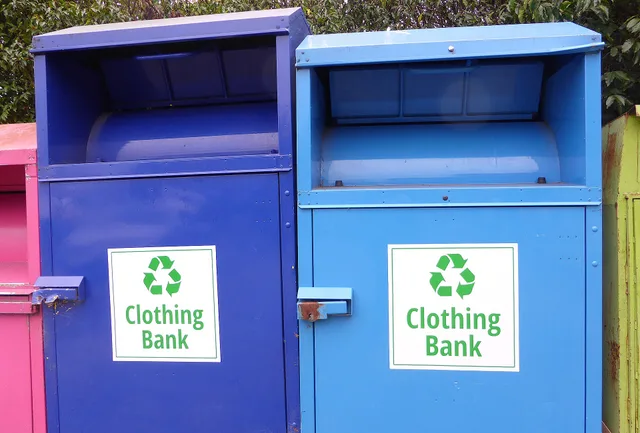
Used textile routing guide: inspect condition, protect health and safety, check local acceptance rules, verify the operator, document handoff, and review outcomes.
Textile reuse and recycling depend on condition, fiber, construction, local options, and verified outcomes—not just a collection bin or recycling claim.
A fictional cotton work shirt traceability example: follow records from farm group to garment lot, reconcile a yarn volume gap, and narrow the final claim.
Clothing labels and certifications example: audit a fictional bio-based jacket claim across fiber content, origin, care, certificate scope, artwork, and evidence.
Use this garment durability and care checklist to assess materials, named tests, U.S. labeling and safety rules, care instructions, production, and release.
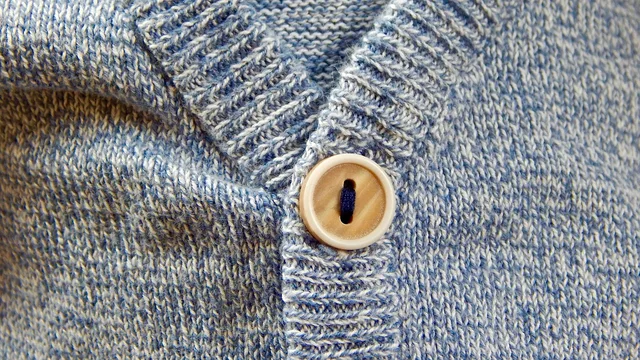
A garment durability and care example tracks a fictional cotton-wool cardigan through complaints, named tests, care labeling, and qualitative decisions.
Evaluate garment durability and care step by step: define use, map parts, predict failures, set tests, run care cycles, inspect wear, and approve labels.
A fictional cotton and cashmere cardigan example walks through fiber identity, cotton lot data, yarn, knit, care, labeling, repair, and end-of-life limits.
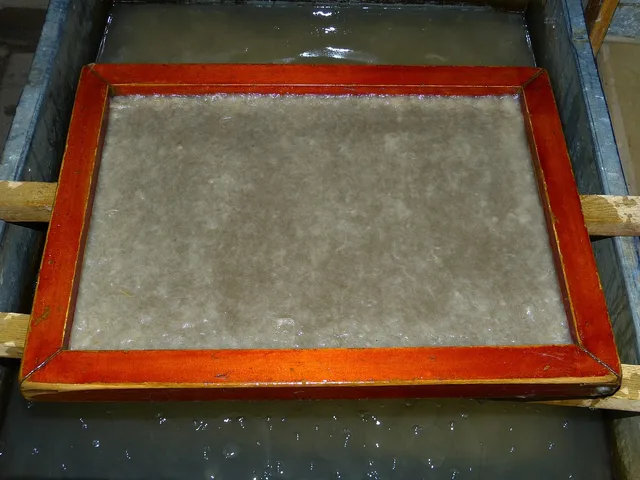
Fictional template: this biosynthetic and biofabricated materials example reviews a microbial-cellulose bag panel's pilot testing, claims, and disposal limits.
Bio-based fiber checklist: verify composition, feedstock, conversion, product tests, care, claims, traceability, and realistic end routes before choosing.
A biofabricated materials checklist for the process side: the biological route, scale and yield, batch sampling and change control before any pilot approval.
Bio-based fiber evaluation: use a nine-step process to check feedstock, conversion, claims, garment performance, care, traceability, and end-of-use options.
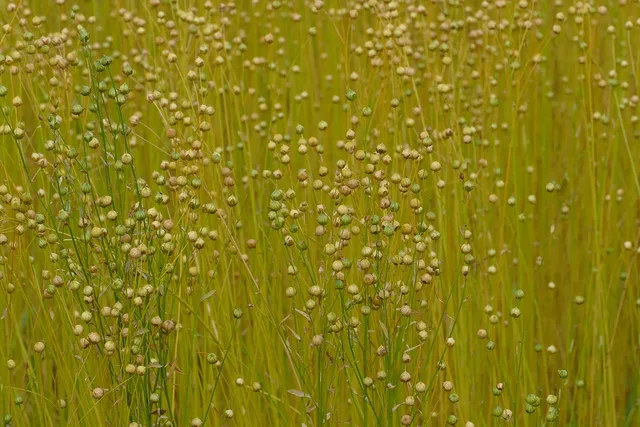
Learn how to evaluate natural textile fibers: check identity, structure, performance, care, sourcing, and product claims; record evidence and uncertainty.
How to evaluate sustainable fashion: test need, fit, construction, care, claims, repair, and end-of-use options with a clear buying method before you shop.
Textile dye and finish decisions made practical: define the product, map the process, check chemistry, test final lots, and document evidence before approval.
Use this natural textile fibers checklist as a product-review worksheet to record identity, evidence, performance, sourcing, care, and end-of-life questions.
Natural textile fibers explained: compare plant and animal fibers by structure, performance, care, sourcing, labeling, blends, durability, and realistic use.
Textile dyes and finishes checklist: record chemistry, applicable restrictions, test methods, process controls, care support, claims, and lot evidence.