Rules
Part of Textile reuse and recycling: how to choose a route
Straight talk about reuse and recycling, without the sales pitch
Textile reuse and recycling problems: diagnose wet donations, weak sorting, blend errors, missing buyers, false diversion rates, export gaps, and hidden residues.
What to take away
- Preserve batch records before correcting a failed result.
- Separate collection, sorting, reuse, processing, output sale, and disposal problems.
- Contamination in one bag can damage otherwise reusable material.
- Fiber identification improves routing but does not prove that a recycler accepts the item.
- Stop a public claim when downstream outcomes or mass balance cannot be supported.
Textile programs fail in ordinary ways: a wet bin, a copied spreadsheet, a buyer that disappears, an incorrect fiber label, or a processor specification that changed. The response should identify the affected batch, protect workers, preserve evidence, and prevent the same failure from repeating. Definitions for each stage are in the textile reuse and recycling overview.
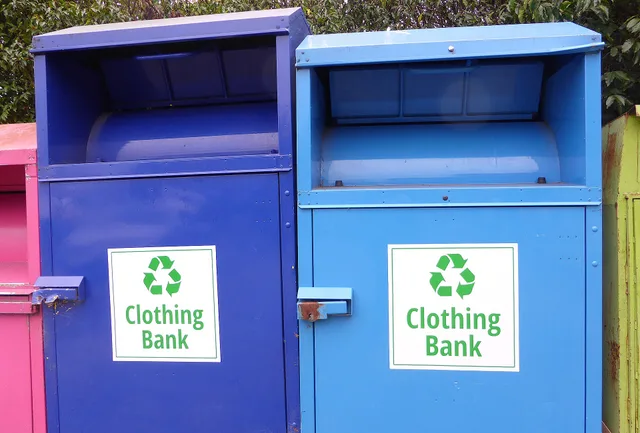
Donations arrive wet or moldy
Symptom: odor, visible growth, damp packaging, staining across multiple items, or rising worker complaints.
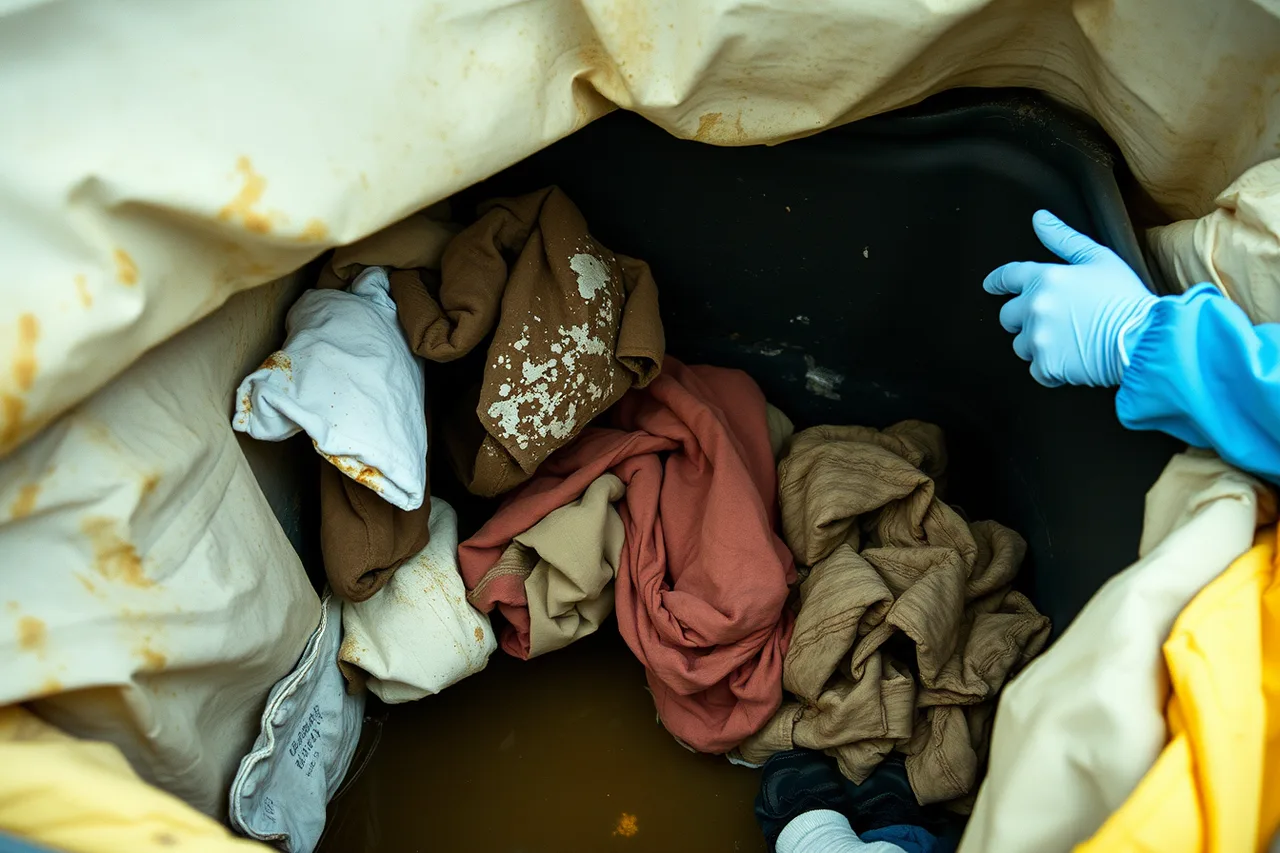
Likely causes: an uncovered bin, long pickup interval, wet household items, flood exposure, or poor warehouse ventilation.
Response: isolate the material without opening unknown contaminated bags in an uncontrolled area. Follow health, safety, and local disposal procedures. Inspect nearby stock and container condition.
Prevention: weatherproof equipment, clear dry-only instructions, overflow monitoring, pickup triggers, moisture checks, and a quarantine process.
Reusable clothing has no buyer
Symptom: sorted grade-A inventory grows while reports continue to count incoming weight as reuse.
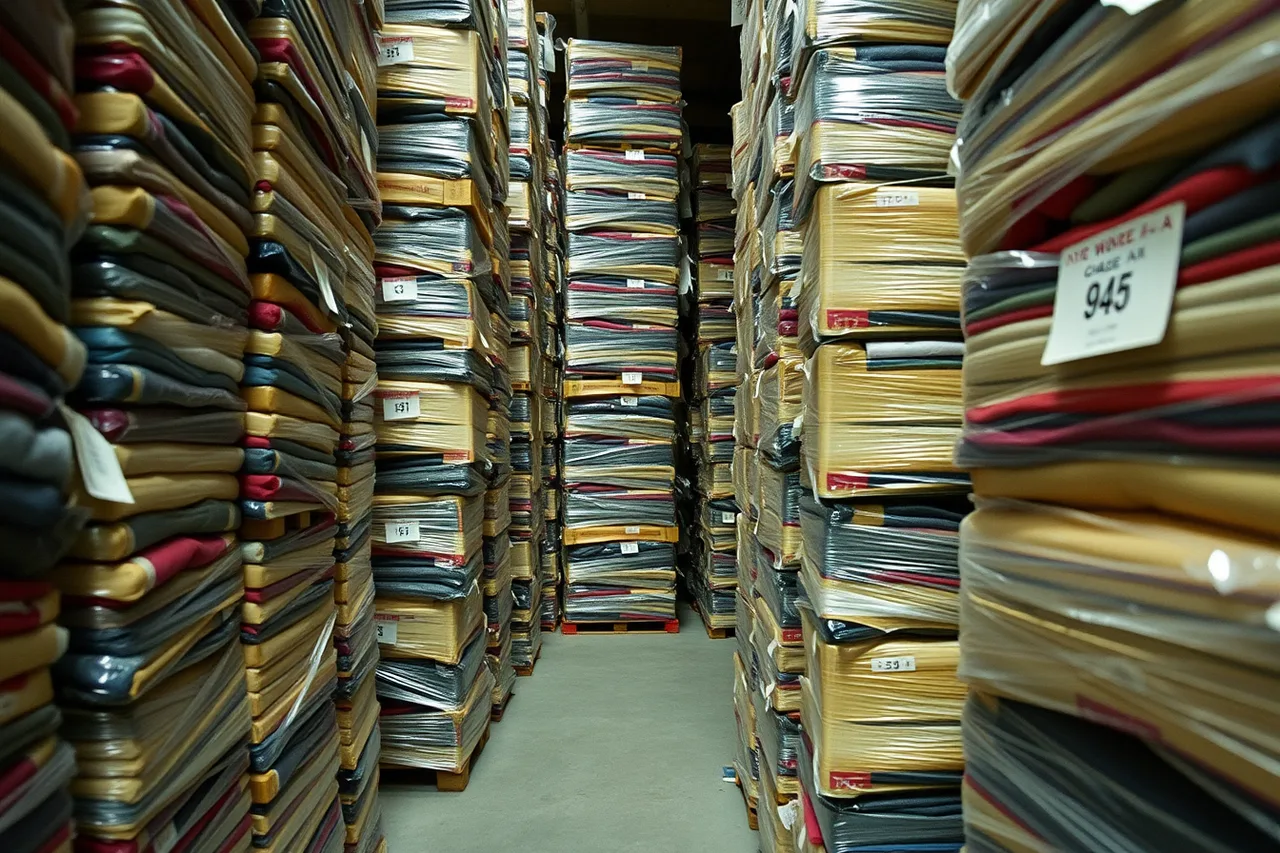
Likely causes: wrong season, unsuitable size mix, weak demand, quality drift, damaged reputation, excessive pricing, or an export market change.
Response: stop labeling collection as reuse. Age inventory by grade and destination, test realistic sales, and revise acceptance or procurement.
Discarding unsold material later does not erase the earlier overstatement. Correct prior reports when the difference is material.
Sorting cannot identify fiber reliably
Symptom: the same item receives different classifications, labels are absent, or blends repeatedly fail a processor's intake test.

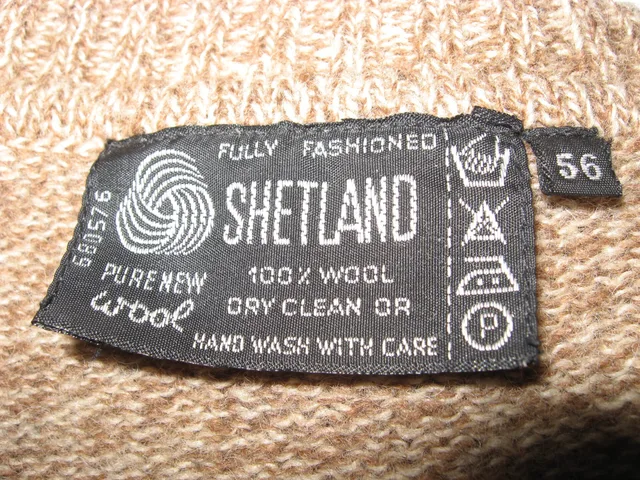
NIST's report on its NIR-SORT textile database explains that near-infrared measurements can support faster fiber identification and that blends, labels, dyes, and finishes complicate sorting. The instrument result is still one input. Construction, contamination, coatings, and the recycler's specification remain relevant.
Response: create a known-reference set, document instrument settings and decision thresholds, confirm uncertain or high-risk samples with another method, and retain a reject category.
Hardware jams or contaminates processing
Symptom: zippers, snaps, underwires, sequins, foam, or electronic tags damage equipment or lower output quality.
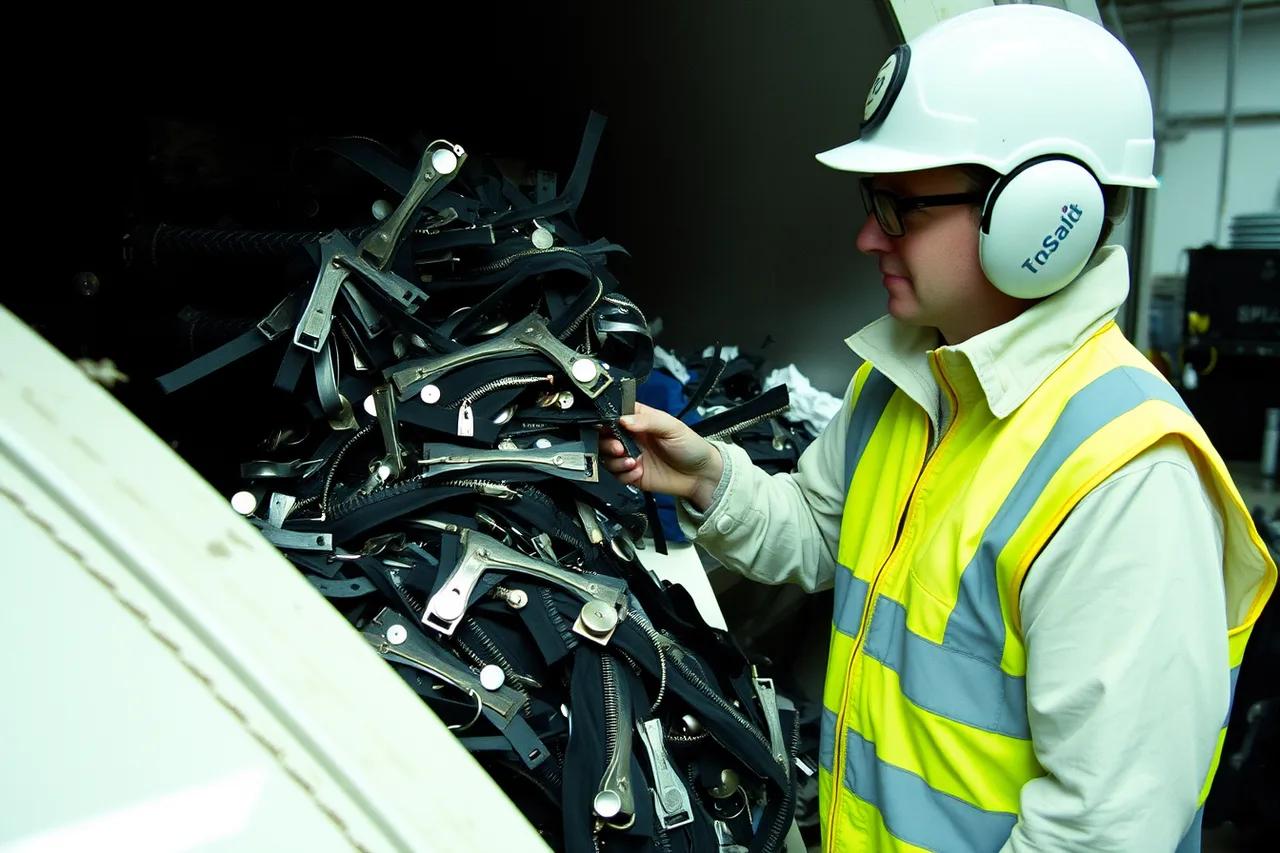
Likely causes: insufficient pre-sort, hidden parts, poor design, or a mismatch between written and actual feedstock.
Response: stop the lot, inspect the processor's rejection evidence, resample the batch, and revise removal or acceptance rules. Measure the labor and residual created by disassembly.
The material balance is impossible
Symptom: outputs exceed input, closing stock is negative, or received weight disappears between collector and processor.
Likely causes: mixed units, gross versus net weight, duplicate receipts, moisture change, estimated tare, allocation error, or false reporting.
Response: reconstruct opening stock, dated receipts, transfers, process input, output, losses, and closing stock in one unit. Preserve original entries and explain each correction.
Do not assign an unexplained difference to normal loss without evidence and an approved tolerance. The reuse and recycling checklist carries the reconciliation equation and tolerance rules.
A pilot is presented as commercial capacity
Symptom: marketing says any returned garment will become new fiber, but the named process accepts only test batches or one polymer.
Response: verify operating status, feedstock specification, contracted capacity, start date, yield, output buyer, and rejected fraction. Separate research, demonstration, commissioning, and stable commercial operation.
A future agreement can support a future plan. It cannot prove today's processing result.
A receipt is treated as final proof
Symptom: the program holds a collector ticket but cannot name the sorter, processor, output, or residual route.
Response: label the event as collection or transfer. Obtain downstream reports proportionate to claim risk, and state where traceability ends.
For a high-level operational metric, verified allocation across aggregated loads may be reasonable. For a product claim, stronger material linkage may be required. Broken linkage patterns of this kind are cataloged in the traceability problem guide.
Export hides the final outcome
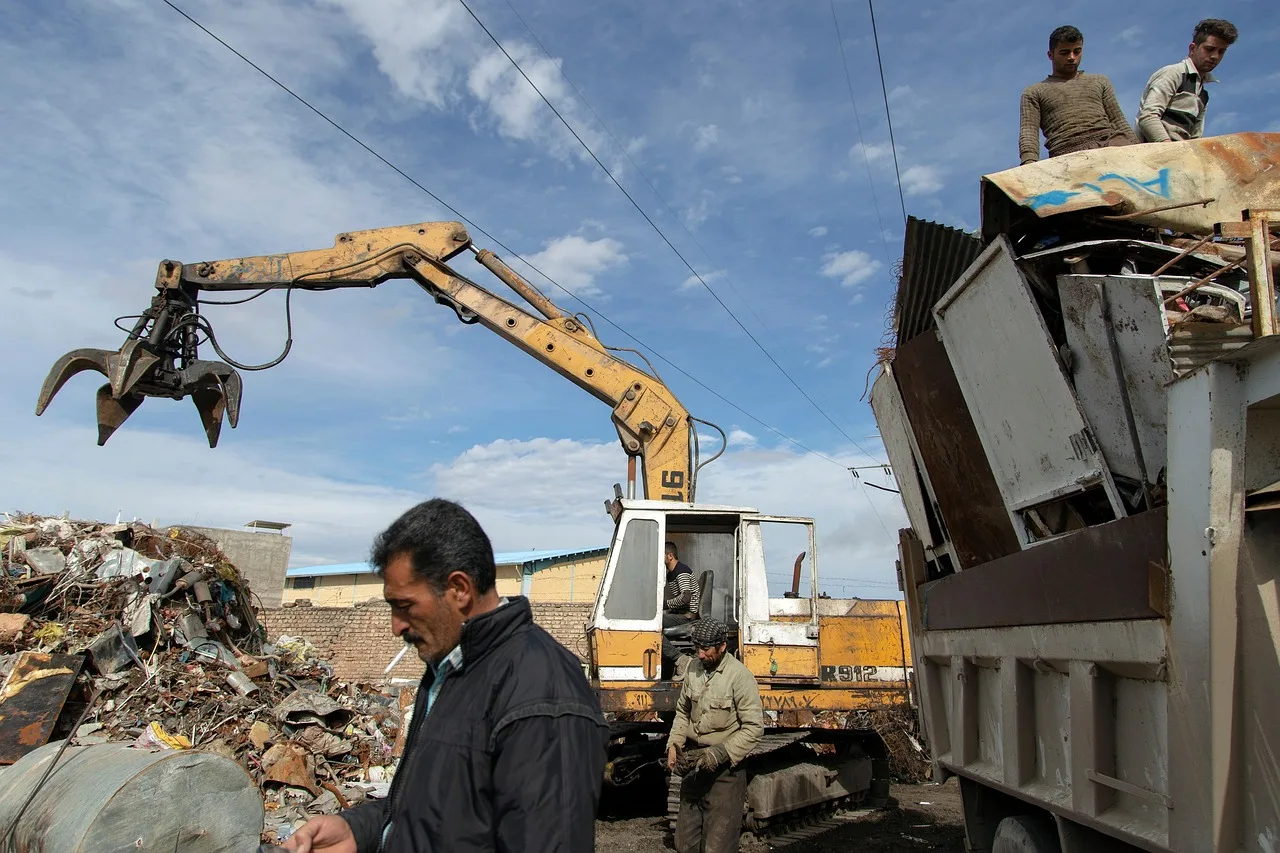
Symptom: all exported used clothing is reported as reuse even though destination sorting and residues are unknown.
UNEP's used textile trade project addresses the need to distinguish reusable textiles from textile waste and notes infrastructure and disposal challenges in importing countries. That supports destination-level questions, not an assumption that every export is harmful or every shipment is reused.
Response: record classification, grade, destination, buyer, intended use, receiving capacity, rejects, and final treatment. Report unknown outcomes as unknown and investigate receiving-community impacts.
Downcycling is described as garment-to-garment recycling
Symptom: shredded clothing becomes filling or wiping cloth, while public copy implies it became new apparel.
Response: name the actual output, yield, buyer, and displaced material. Use "textile-to-textile" only when the recovered material enters textile production under a defined boundary.
Non-apparel outputs can be legitimate. The problem is inaccurate description, not the category itself. The route-by-outcome comparison names each output class precisely for this reason.
Contaminated stock is diluted into a clean batch
Symptom: rejected material is mixed with higher-grade stock so the average test passes or the failure becomes hard to trace.
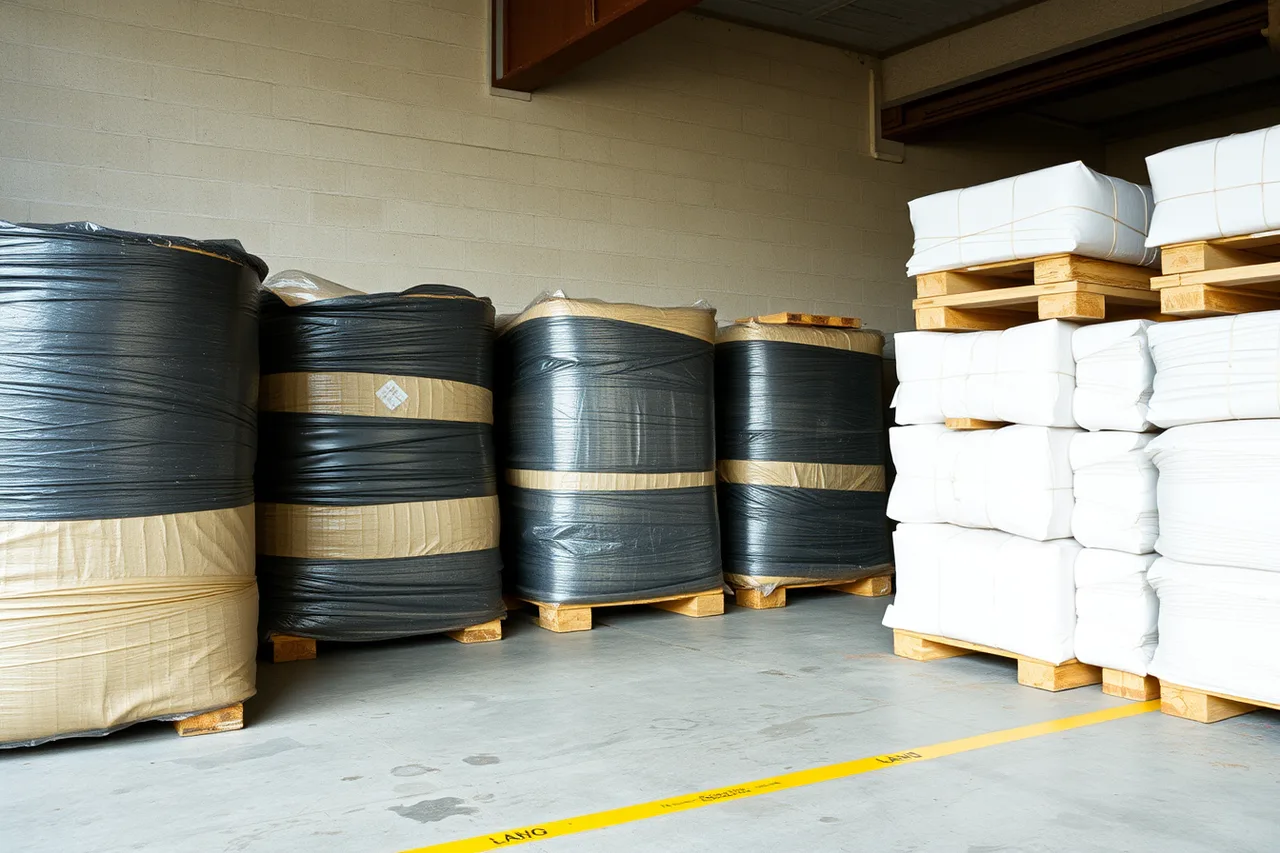
Response: quarantine by batch, block unauthorized blending, and document release criteria. Investigate incentives that reward shipped weight without regard to acceptance or output.
Collection rises while product life falls
Symptom: a take-back program celebrates more returns while sales, early disposal, or low durability also rise.
Response: pair collection data with product age, wear frequency where available, repair, returns, unsold stock, repeat purchase, and total material placed on the market.
A program should not encourage customers to discard usable garments merely to receive a discount.
Diagnostic table
| Symptom | First check | Do not assume | Stop condition |
|---|---|---|---|
| Wet bags | Bin and pickup history | Dry items remain safe | Suspected mold or contamination |
| Growing resale stock | Age and sell-through | Transfer equals reuse | No credible market |
| Fiber mismatch | Label, scan, reference | One test captures construction | Processor rejects composition |
| Missing mass | Units, tare, duplicates | Difference is process loss | Reconciliation unsupported |
| Export claim | Buyer and destination | All exported goods are reused | Waste status or outcome unknown |
| New-fiber claim | Output and buyer | Collection proves closed loop | No product linkage |
Common questions
Can a failed batch be blended with a good one?
Only under a documented, technically accepted process that preserves traceability and does not conceal nonconformance.
Should a program publish estimates?
It can publish clearly labeled estimates with method, uncertainty, and limits. Do not present them as measured batch outcomes.
What if the downstream partner will not disclose clients?
Use confidentiality controls, independent assurance, or aggregated evidence. Narrow the claim if the route still cannot be verified.
Does accurate fiber sorting guarantee recycling?
No. Acceptance, capacity, contamination, process yield, output quality, economics, and buyers still determine the route.
When should legal or safety help be called?
Escalate hazardous contamination, worker illness, waste-classification disputes, recalls, cross-border questions, or potentially deceptive claims.