Rules
Compostability claims on bio-based clothing: what U.S. brands must prove
What U.S. brands must show for compostability claims on bio-based clothing: ASTM D6400 or D6868, FTC Green Guides qualifiers, records, and enforcement.
What to take away
- A U.S. brand calling a garment compostable needs an ASTM D6400 or ASTM D6868 test result, and the claim must specify industrial or home composting.
- The FTC Green Guides treat an unqualified compostable claim as deceptive if most consumers cannot compost the item where they live.
- A compliant disclosure names the standard, the accredited lab, and a qualifier such as 'compostable in industrial facilities only.'
- Bio-based content, even USDA BioPreferred certification, does not by itself prove the garment will break down in compost.
Who has jurisdiction
The Federal Trade Commission enforces Section 5 of the FTC Act against misleading environmental marketing. ASTM International sets the material test specifications that brands use to substantiate compostable claims. The ASTM D6400 specification covers plastics that disintegrate and biodegrade in a municipal or industrial aerobic composting facility. A USDA BioPreferred label addresses bio-based carbon content, not where the garment breaks down. State attorneys general can also act under their own consumer protection statutes, and some local governments limit what may be labeled compostable.
The FTC's Green Guides bar an unqualified compostable claim unless the item composts safely and timely in an appropriate facility. For most clothing, that facility is an industrial composter.
If those facilities are not available to a substantial majority of consumers, qualify the claim. The FTC does not pre-approve labels, so a brand must have its own substantiation before the claim appears in commerce.
What a compliant disclosure contains
A compliant compostable claim has three parts: the standard it passed, the type of facility required, and a qualifier about availability. The table below shows how the claim type changes what evidence and wording a brand should provide.
Claim Type Evidence and Qualifiers
Industrial compostable
- Required evidence
- ASTM D6400 or D6868
- Required qualifier
- Facilities may not exist
Home compostable
- Required evidence
- AS 5810 or EN 13432
- Required qualifier
- 40°C home systems
Bio-based
- Required evidence
- USDA BioPreferred or D6866
- Required qualifier
- Not a compost claim
| Claim type | Required evidence | Required qualifier |
|---|---|---|
| Industrial compostable | ASTM D6400 or ASTM D6868 pass | 'Commercially compostable only. Facilities may not exist in your area.' |
| Home compostable | No ASTM standard; cite AS 5810 or EN 13432 plus time and temperature data | 'Suitable for home compost systems that reach 40°C.' |
| Bio-based | USDA BioPreferred or ASTM D6866 | Not a compost claim. |
For a broader set of checks before you commit to bio-based fibers, review the linked checklist.
The ASTM D6868 standard covers coatings and additives on compostable substrates. A brand selling a coated garment should cite both D6400 for the fiber and D6868 for the coating if they claim the whole item composts. A brand should not infer home compostability from a D6400 pass; that would require a separate home compost test.
Records to keep
Keep documentation that ties the marketed garment to the tested material. Without these records, a claim is hard to defend.
Compostability Claim Record Checklist
- ISO 17025 lab test report with sample ID
- Supplier conformity statement matching garment construction
- Production batch records linking sold item to tested material
- Final label copy and online product page qualifiers
Keep records for as long as the claim is made, plus a reasonable period after the final sale, typically three years. If a supplier changes the polymer blend, you need a new test report for the new formulation.
If you work with biofabricated inputs, the same standard applies: see the checks that matter most for biofabricated materials.
What happens if you do not
The FTC can sue a brand in federal court for a deceptive act or practice. It can seek a permanent injunction stopping the sale, corrective advertising, refunds for consumers, and civil penalties. State attorneys general can bring similar actions under state false advertising laws. A brand that claims home compostable but only has an industrial compostability test result faces a likely false advertising order. The FTC can also require the company to notify retailers to pull the product from shelves.
A consent order may require the company to stop making the claim without adequate scientific evidence and to send corrective notices to past buyers. Repeated violations can lead to higher penalties and individual liability for company officers.
Where the rules differ by place
The FTC Green Guides apply nationwide, but states can be stricter. California Business and Professions Code 17500 bars untrue or misleading advertising and allows civil penalties per violation. Washington's Consumer Protection Act covers environmental benefit claims, and the state has brought enforcement actions for unqualified degradable claims. Some cities, including San Francisco, restrict labeling a product as compostable unless the local program accepts it. For a fabric-by-fabric review, use the pre-purchase checklist for natural fibers before relying on a compost label.
A brand selling in multiple states should check each state's restrictions on environmental labels. Minnesota, for example, restricts use of the term 'compostable' on certain plastics unless they meet a specified standard. Check both the state attorney general's environmental marketing guidance and any local ordinances before finalizing a hangtag.
Example
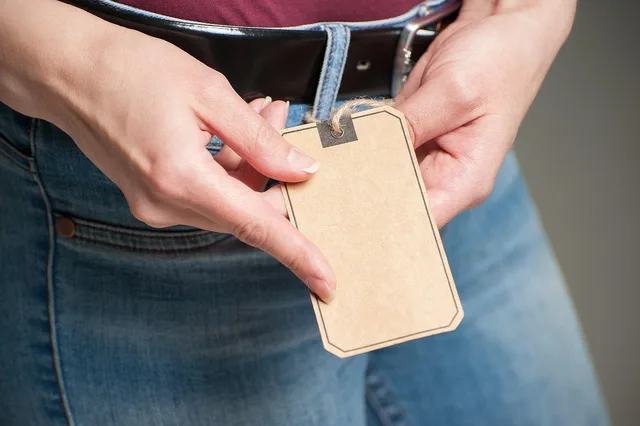
A brand sells a polylactic acid shirt with a hangtag reading 'compostable.' The FTC asks for evidence that the entire shirt, including seams, dyes, and labels, will break down in a home compost pile. PLA often requires industrial composting temperatures above 50°C, so the claim fails. The brand must change the label to 'commercially compostable only where facilities exist' and post its ASTM D6400 certificate. The FTC may also require the brand to revise its website and send a corrective email to customers who bought the shirt.
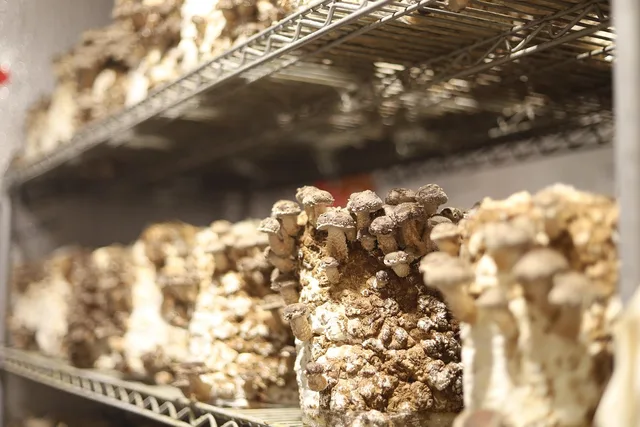
That example shows why 'compostable' without a qualifier is usually deceptive. A home compostable claim needs different evidence than an industrial one, and the label must say which one applies. For alternatives made from mushroom, apple, cactus, or pineapple, the same verification logic applies; compare them in the bio-based leather alternatives guide.