Reviews
Part of Getting natural textile fibers right the first time for 2027
Natural fibers compared: cotton, linen, hemp, wool and silk
Natural textile fibers compared by use: weigh cotton, linen, hemp, wool, and silk for comfort, strength, care, climate, tailoring, repair, and evidence.
What to take away
- Compare finished fabrics built for the same use, not loose fiber names.
- Cotton, linen, hemp, wool, and silk each cover a wide range of grades and constructions.
- Climate, care, skin feel, abrasion, recovery, and repair deserve separate weights.
- A blend may outperform a single fiber when its purpose is clear.
- The best choice is the suitable product with the strongest evidence, not a universal fiber winner.
Natural textile fibers are often placed in simple rankings. Those rankings fall apart when the product changes. A crisp linen shirt, cotton sweatshirt, wool sweater, and silk lining solve different problems. Even within one fiber, yarn and fabric choices create opposite results.
This comparison uses clothing needs as the starting point. It assumes the composition label is accurate and the products meet basic safety and fit requirements. Fiber-by-fiber background sits in the natural fibers reference guide.
Comparison criteria
Use criteria that a shopper, designer, or buyer can verify.
Criteria to verify
- Skin comfortsurface, seams, moisture, irritation
- Heat and coldweight, openness, loft, wind
- Moistureabsorption, wicking, drying, wet strength
- Shapewrinkling, stretch recovery, shrinkage, felting
- Wearabrasion, pilling, snagging, tear, seams
- Carewash, temperature, drying, pressing, cleaning
- Repairseam access, darning, patch visibility
- Evidencecomposition, tests, sourcing records
Criterion / What to inspect or test
- Skin comfort
- Surface, seams, moisture, irritation during realistic wear
- Heat and cold
- Fabric weight, openness, loft, wind resistance, layering
- Moisture
- Absorption, wicking, drying, wet strength, odor behavior
- Shape
- Wrinkling, stretch recovery, shrinkage, felting, bagging
- Wear
- Abrasion, pilling, snagging, tear, seam performance
- Care
- Wash method, temperature, drying, pressing, professional cleaning
- Repair
- Seam access, darning response, patch visibility, spare material
- Evidence
- Composition, product tests, sourcing records, claim scope
Give each criterion a weight before seeing marketing claims. For a school uniform, laundering and abrasion may lead. For a summer event shirt, heat comfort, opacity, and appearance may carry more weight.
A side-by-side starting point
Common advantages in suitable fabrics
- Cotton
- Soft hand, absorbency, broad wash options, many weights
- Linen
- Strength, cool hand, moisture movement, visual texture
- Hemp
- Strength and bast-fiber character, varied blend options
- Wool
- Loft, insulation, recovery, tailoring response
- Silk
- Low weight, drape, luster or texture, strong filament possibilities
Common limits to test
- Cotton
- Shrinkage, wrinkling, slow drying in heavy fabrics, mildew if stored damp
- Linen
- Wrinkling, repeated-fold wear, seam behavior in loose fabrics
- Hemp
- Processing consistency, coarse hand in some fabrics, claim detail
- Wool
- Felting, insects, pilling, skin sensitivity, specialized care in some products
- Silk
- Light, perspiration, abrasion, seam slippage, cleaning limits
Often considered for
- Cotton
- Shirts, denim, underwear, jersey, workwear
- Linen
- Warm-weather shirts, dresses, trousers, tailoring
- Hemp
- Shirts, canvas, denim-like fabrics, blends
- Wool
- Knitwear, coats, suiting, base layers
- Silk
- Dresses, blouses, scarves, linings
These are prompts, not promises. The George Washington University Textile Museum's fiber overview shows how cotton, linen, silk, and wool differ in source, preparation, and typical properties. Its examples also make clear that a fiber's useful traits arrive with specific drawbacks.
Natural fiber starting point
Cotton
- Advantages
- Soft, absorbent, washable
- Limits to test
- Shrinkage, wrinkling, slow drying
- Often used for
- Shirts, denim, underwear
Linen
- Advantages
- Strong, cool, moisture movement
- Limits to test
- Wrinkling, fold wear, seams
- Often used for
- Warm-weather shirts, dresses
Wool
- Advantages
- Loft, insulation, recovery
- Limits to test
- Felting, insects, pilling, sensitivity
- Often used for
- Knitwear, coats, suiting
Silk
- Advantages
- Light, drape, luster
- Limits to test
- Perspiration, abrasion, seam slippage
- Often used for
- Dresses, blouses, scarves
Best fit for a washable everyday shirt
Cotton often fits because many cotton fabrics tolerate routine laundering and come in a wide range of weights and structures. Linen and hemp fabrics can also work, especially when heat comfort and texture matter.
Compare:
Washable shirt checks
- Wash shrinkage
- Seam puckering
- Colorfastness
- Drying time
- Pressing effort
- Collar and cuff wear
- Opacity at intended weight
Linen may remain visibly wrinkled by design. That is an appearance choice, not automatically a performance failure. Hemp content does not reveal whether the fiber is long bast fiber or cottonized for short-staple spinning. Request the fabric record when that distinction matters.
Best fit for a hot climate
Fabric structure can outweigh fiber. A loose, lightweight weave usually allows more air movement than a dense fabric of the same fiber. Cotton, linen, hemp, and some silk fabrics can all suit heat.
Test the complete garment. A thick lining, tight armhole, dark color, dense weave, or close fit can reduce comfort. Moisture absorption can help at first while also increasing drying time after saturation.
For high sun exposure, ask how the dye and fiber respond over time. Natural does not mean immune to ultraviolet damage. The side-by-side review of dyes and finishes compares fastness and finish behavior directly.
Best fit for warmth
Wool is a strong candidate because crimped fibers and lofty yarns can hold still air. Yet a dense cotton flannel, layered silk, or quilted plant-fiber garment can also provide warmth. Wind resistance, moisture, fit, and layering affect the result.
For wool, compare fiber diameter, yarn, fabric density, and finish. Very fine wool may feel softer to more wearers, but fineness alone does not prove resistance to abrasion. Coarser fiber may suit rugs or hard-wearing outer fabrics better than next-to-skin clothing.
Best fit for tailoring
Wool fabrics are often selected for their recovery, pressing response, and ability to hold shape. Linen can make sharp warm-weather tailoring with a more relaxed wrinkle pattern. Cotton twill or sateen can support structured casual pieces. Silk may serve as shell or lining, depending on weight and weave.
Inspect the whole build:
Tailoring build inspection
- Canvas or interfacing
- Seam allowance
- Pressing marks
- Lining compatibility
- Stress reinforcement
- Alteration room
- Cleaning method
A quality fiber cannot compensate for poor balance or fused layers that bubble.
Best fit for low-maintenance care
There is no low-maintenance natural fiber in every construction. Washable cotton is common, but dark dye, shrink-prone knit, trim, or tailoring can add limits. Linen may wash well but require pressing if a crisp appearance is expected. Some wool is machine washable under stated conditions; other wool can felt. Silk care varies sharply by dye, finish, weave, and construction.
Read the permanent label before buying. If the required method does not fit the user's time, equipment, budget, or local services, choose a different product.
Best fit for abrasion and repeated use
Use product tests. Denim, canvas, suiting, jersey, satin, and gauze have different wear profiles even when made from natural fibers.
Check the surface after controlled rubbing and real wear. Pilling depends on loose fibers forming and remaining attached. Snagging relates to surface loops and filament exposure. Seam slippage depends on yarn movement and construction. Tear resistance can differ from tensile strength.
The correct answer may be a denser structure, different yarn, reinforcement, or blend rather than a new base fiber. If the alternative under consideration is a manufactured or biosynthetic route, the comparison of bio-based fiber routes covers that territory.
What plant-fiber categories add
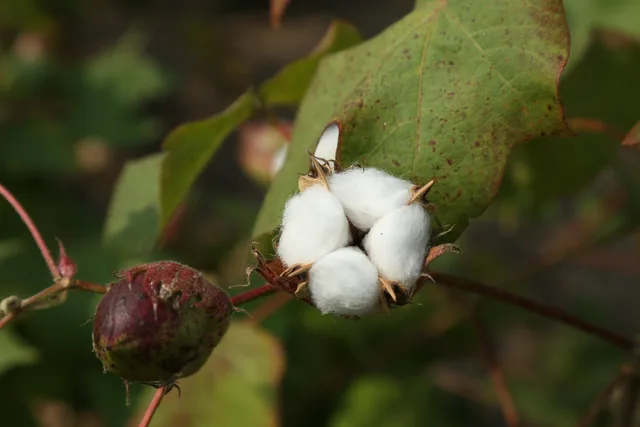
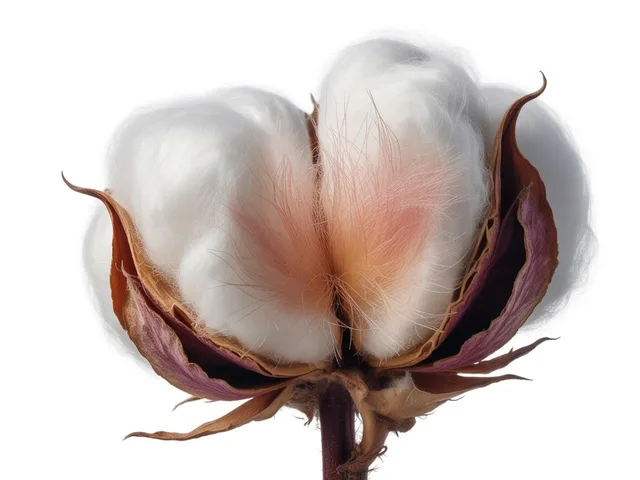
Plant fibers do not all come from the same part of a plant. Cotton is a seed fiber. Flax and hemp are bast fibers from stems. Sisal is a leaf fiber, while coir comes from coconut husk. These origins help explain extraction and typical form.
Wikipedia's overview of natural fibers groups plant fibers the same way, as seed, bast, leaf, and fruit fibers such as coir, while placing wool and silk among the protein-based animal fibers. That classification is useful for sourcing questions, but apparel suitability still depends on how the fiber is processed into yarn and fabric.
When a blend is the better fit
A blend may add recovery to linen, reduce the cost of silk, change wool's handle, or make a bast fiber easier to spin. Evaluate the blend as a new material.
Ask who benefits from the added fiber. A performance gain should appear in a relevant test or wear result. A small percentage that has no measurable role may exist mainly to support a label story.
Record the tradeoffs. Blending can complicate identification, dyeing, care, and recovery. It can also extend useful life when it corrects a real weakness.
Evidence that would change the choice
| Current uncertainty | Evidence that resolves it |
|---|---|
| Will it shrink? | Finished-product dimensional-change test under stated care |
| Will it feel rough? | Wear trial with defined skin contact and duration |
| Is the specialty fiber present? | Accurate label plus qualified composition testing if disputed |
| Will it pill? | Fabric pilling test and realistic wear observation |
| Can it be washed? | Care trial on the exact color and construction |
| Is it traceable? | Product or batch records connecting fiber source to fabric |
| Can it be recycled? | Acceptance by a named process for the full composition |
Decision rule
First remove products that fail mandatory fit, safety, performance, or care needs. Score the remaining options against the weighted criteria. Keep evidence strength visible beside each score.
When results are close, favor the item that will be worn often, cared for properly, and repaired without unusual tools or services. Existing clothing that already meets the need belongs in the comparison. For weighing routes beyond fabric choice, use the broader comparison framework.
Common questions
Which natural fiber is most durable?
There is no universal winner. Fiber quality, yarn, fabric structure, finish, construction, fit, use, and care determine durability for a specific product.
Is wool always warmer than cotton?
Not in every product. Wool often supports loft and insulation, but fabric weight, density, wind, moisture, fit, and layers control the result.
Is hemp always coarser than linen?
No. Fiber preparation, fineness, length, spinning, blending, fabric, and finish affect hand. Compare the actual fabrics.
Is silk too delicate for everyday clothing?
Some silk fabrics are durable enough for regular use; others snag, abrade, or react poorly to perspiration and light. Match the fabric and construction to the job.
Should a buyer prefer a single fiber?
Only when it meets the use. A purposeful blend may perform better, while a single-fiber design may simplify identification or some recovery routes.