Rules
Part of Getting natural textile fibers right the first time for 2027
Natural Textile Fibers Problems: A Diagnosis Guide
Natural textile fibers problems can involve shrinkage, pilling, seam failure, insects, mold, fading, and label conflicts. Learn to investigate causes safely.
What to take away
- Start with the visible symptom, then separate fiber, yarn, fabric, finish, garment, care, and storage causes.
- Do not wash, brush, or chemically treat moldy or fragile textiles before assessing condition and risk.
- Shrinkage and felting are related in some wool products but are not the same process.
- Pilling, seam slippage, and holes often involve construction or use, not only fiber choice.
- Fix the confirmed cause and correct the product claim when evidence supports something narrower.
If you are researching natural textile fibers problems, start by separating the visible symptom from fiber, yarn, fabric, finish, garment, care, and storage causes. In sustainable fashion, this distinction matters because fiber choice alone does not determine a garment's durability, repair options, or end-of-life possibilities; this guide focuses on damage diagnosis rather than comparing recycling or composting routes. Natural fibers respond to moisture, heat, light, abrasion, insects, microorganisms, and chemicals. Those responses differ among cellulose-based plant fibers and protein-based animal fibers. The finished textile adds dye, finish, yarn, structure, seams, lining, and trim, so a symptom rarely identifies its cause by itself. The fiber-to-garment levels described in the main guide are a good map for this separation.
Use this guide to organize a diagnosis. For historic, contaminated, badly weakened, or high-value items, stop handling and consult a qualified textile conservator or specialist.
Symptom map
| Symptom | Possible causes | First checks |
|---|---|---|
| Overall size loss | Relaxation shrinkage, felting, heat, agitation, construction | Care history, fiber content, measurements, surface change |
| Local puckering | Incompatible shell and interfacing, seam tension, differential shrinkage | Seam line, layers, wash record |
| Fuzzy pills | Loose fiber ends, yarn, friction, weak fiber, finish | High-rub areas, yarn surface, fabric test |
| Straight-line break | Repeated fold, sharp edge, abrasion, light damage | Storage pattern, fold location, fiber strength |
| Small irregular holes | Insects, snag, weak spot, abrasion | Frass, shed skins, nearby items, edge shape |
| Musty odor or spots | Damp storage, soil, poor ventilation, active mold | Moisture source, spread, structural weakness |
| Color loss | Light, washing, perspiration, rubbing, chemical exposure | Exposure pattern and colorfastness data |
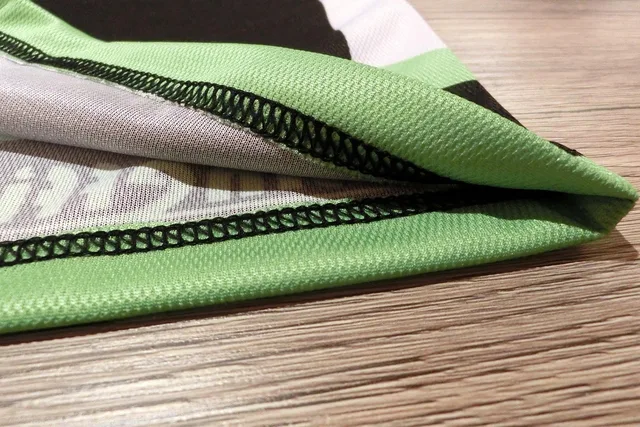
| Seam opening | Broken thread, seam slippage, too little allowance, strain | Thread, stitch, yarn movement, fit |
| Label conflict | Wrong product page, supplier error, trim exception, mislabeling | Permanent label, invoice, specification, test |
Diagnostic order
1. Isolate the item when needed
If you see possible insects, mold, wetness, chemical contamination, or loose fibers, keep the item away from clean textiles. Avoid actions that spread dust, spores, pests, or fragments.
2. Record before changing anything
Photograph the whole item and close views with a scale. Record fiber label, color, size, purchase or acquisition date, storage location, care history, odor, and when the problem appeared.
3. Map the damage
Location is evidence. Underarm fading points to different exposures than a sunlit shoulder. Holes at a belt line suggest different friction from holes in undisturbed storage. Even puckering along one seam may implicate construction rather than the whole fabric.
4. Compare records
Check the care label, product page, technical specification, batch test, and actual treatment. Do not assume the user caused the failure if the label itself was inadequate or the product could not tolerate its stated care method. A file built with the natural fiber evaluation sequence makes this comparison quick.
5. Test proportionately
Begin with non-destructive inspection. Laboratory testing may be appropriate for composition, colorfastness, fiber strength, contamination, or a commercial dispute. Do not cut a sample from a high-value item without authority.
Problem 1: shrinkage after washing
Plant-fiber fabric can shrink as yarn and fabric tensions relax, while wool can also undergo felting shrinkage when moisture, heat, and agitation allow scaled fibers to move and lock together. Knits may change more visibly because loops can rearrange.
The structure behind that difference is documented: wool's overlapping surface scales are what let the fiber felt, while smooth cellulose fibers relax rather than lock. Use those distinctions to choose questions, then confirm the exact fabric and finish.
Diagnose
Compare before-and-after dimensions if available. Check whether change is even or localized, whether the surface has become denser or matted, and whether lining, interfacing, or thread changed differently. Reconstruct wash temperature, agitation, detergent, extraction, and drying.
Fix and prevent
For future production, test the complete product under the labeled method and revise fabric preparation, component compatibility, construction, or care instructions. For an owned garment, do not promise full reversal. Gentle reshaping may help some relaxed structures when permitted by the label, but felted or heat-set change may be permanent.
Problem 2: pilling
Pills form when fiber ends work to the surface, entangle, and remain attached. Friction, staple length, yarn twist, fabric structure, fiber strength, finish, and use all play roles.
Diagnose
Map pills to contact areas. Compare body, underarm, seat, bag strap, and untouched zones. Look at yarn hairiness and whether pills pull away easily or remain strongly anchored.
Fix and prevent
In development, adjust yarn, fabric density, finish, or reinforcement and retest. In use, reduce avoidable rubbing and follow care instructions. Remove pills only with a method suited to the fabric; aggressive shaving can cut yarns or damage a thin knit.
Problem 3: seam slippage or opening
A seam can open because thread breaks, stitches fail, fabric yarns slide away from the seam, allowance is too narrow, or fit places excessive strain on the area.
Diagnose
If the seam thread is intact but fabric yarns have shifted, suspect slippage. If thread has snapped, inspect stitch, tension, abrasion, and thread choice. If the fabric has torn beside the seam, check reinforcement and fit.
Fix and prevent
Repair depends on the remaining material. Simply restitching through weakened or distorted fabric may fail again. Product teams should use seam tests, suitable allowances, compatible thread, and reinforcement at predictable stress points.
Problem 4: repeated-fold breaks
Sharp, repeated folds concentrate stress. Linen and other fabrics can weaken along a crease, especially after long storage or repeated pressing at the same line. Light and acidity can make old fibers more brittle.
Diagnose
Look for a straight break aligned with a fold, shelf edge, hanger, or packing line. Check whether the surrounding fabric is also weak or discolored.
Fix and prevent
Support damaged areas before moving them. For long storage, avoid hard folds, pad necessary folds, and change fold positions periodically when the item is strong enough. Historic textiles need conservation-grade materials and professional advice.
Problem 5: insect holes
Protein fibers such as wool and silk are vulnerable to textile pests, especially when items contain food, perspiration, skin debris, or other soil. Plant-fiber items may also be damaged when stained or stored beside infested material.
Diagnose
Look for larvae, shed skins, webbing, cases, frass, and damage in dark, undisturbed areas. Inspect nearby textiles and storage furniture. Do not identify a pest from the hole shape alone.
Fix and prevent
Isolate affected material and obtain pest identification. Clean storage and monitor it. Treatment must suit the item and infestation; avoid applying household pesticides directly to textiles unless the product label explicitly allows that use and a professional has assessed the material.
Problem 6: mold or mildew
Moisture, warmth, poor air movement, and soil can support growth. Natural fibers absorb moisture, so damp storage needs prompt attention.
The Smithsonian Museum Conservation Institute's guidance on mold and mildew in textiles notes that affected areas may be weaker and warns that chemical treatment, washing, or agitation can increase damage. That source supports a cautious response, not a home recipe.
Diagnose
Locate the moisture source and determine whether growth appears active. Avoid smelling close to the textile or brushing dry material indoors. Assess personal exposure risk, especially for anyone with respiratory sensitivity or immune concerns.
Fix and prevent
Stop the water or humidity problem and separate affected items. Seek professional help for extensive, active, or high-consequence contamination. Clean, fully dry storage and routine inspection are safer prevention steps than relying on fragrance or sealed damp containers.
Problem 7: fading and tender fabric
Light can fade dyes and weaken fibers. Perspiration, washing, rubbing, and chemical exposure can create local color change. A faded area may also have lost strength.
Diagnose
Compare exposed and protected zones, such as seam allowances, hems, or under a collar. Map window exposure, display time, washing, and body-contact areas. Do not assume color restoration will restore fiber strength.
Fix and prevent
Reduce prolonged light exposure and rotate displayed items. Test cleaning methods and dyes before treatment. Re-dyeing a finished garment is a separate process with its own risks and should not be presented as a simple reversal. For dye-side causes and remedies, follow the guide to dye and finish decisions.
Problem 8: label and claim conflict
A product page may say linen while the permanent label lists a blend, or a hangtag may emphasize cashmere without making the percentage clear.
Diagnose
Save all wording and identify the market. For U.S. products, check applicable Federal Trade Commission textile labeling requirements under the Textile Fiber Products Identification Act and the Textile Rules (16 C.F.R. Part 303). Compare label, invoice, supplier declaration, and product specification. If the dispute is material, use a qualified laboratory.
Fix and prevent
Correct every public location, not only one page. Update stock records and customer communication. Keep a change log showing the original claim, confirmed composition, correction date, and responsible reviewer. When the conflicted claim concerns bio-based content rather than fiber identity, the bio-based fiber problem diagnostics apply.
Stop conditions
Stop handling and obtain expert help when:
- the textile is historic, costly, or structurally weak
- mold is extensive or creates a health concern
- the material may contain hazardous contamination
- wet silk, weighted silk, shattered fabric, loose pigment, or shedding decoration is present
- ownership or sampling authority is unclear
- a legal or commercial composition dispute requires defensible testing
Common questions
Can a shrunken wool sweater always be restored?
No. Relaxed shape may sometimes be improved, but felting can be permanent. Inspect the surface and care history before attempting treatment.
Do moth holes prove the item is wool?
No. Pests may attack soiled blends and adjacent materials. Identify the fiber and pest separately.
Is mildew only a cosmetic problem?
No. Growth and associated conditions can discolor and weaken fibers. Handling and cleaning can cause more loss in damaged areas.
Why does a seam fail when the fabric is strong?
Seam design, allowance, thread, stitch, fit, yarn movement, and local abrasion can fail even when the base fabric has good tensile strength.
Should a failed product be replaced with another fiber?
Only after the cause is confirmed. A change in yarn, fabric structure, finish, construction, care, or storage may solve the problem more directly.