Guides
Recycled Polyester vs Bio-Based Polyester: Which Is Better for Fashion?
Recycled polyester vs bio-based polyester comes down to feedstock, end-of-life and how each claim holds up under US labeling rules and buyer scrutiny.

Archive
Guides
Recycled polyester vs bio-based polyester comes down to feedstock, end-of-life and how each claim holds up under US labeling rules and buyer scrutiny.
Rules
What U.S. brands must show for compostability claims on bio-based clothing: ASTM D6400 or D6868, FTC Green Guides qualifiers, records, and enforcement.
Features
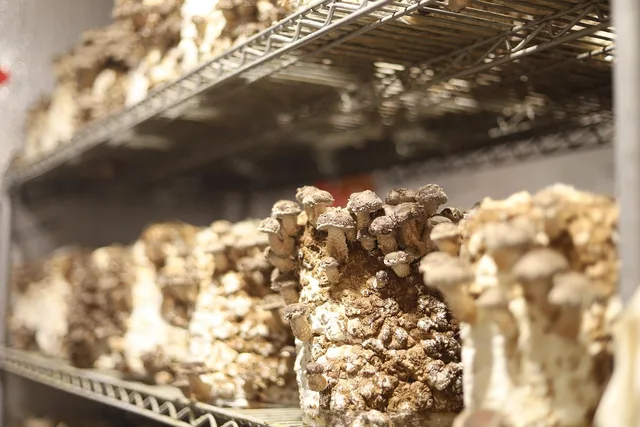
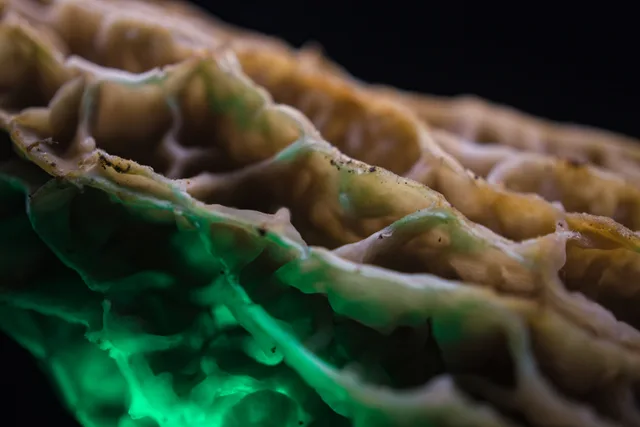
Bio-based leather alternatives compared: mushroom, apple, cactus and pineapple, with US pricing, durability notes and FTC labelling expectations.
Guides
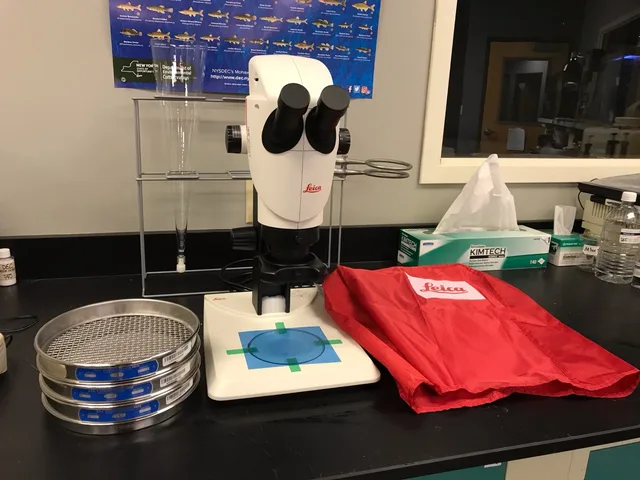
A microplastics shedding report for PLA, bio-PET and bio-based polyamides is only checkable when it names the laboratory, sample, method, wash conditions, replicates and uncertainty. This guide explains those fields, what mass and count can and cannot show, and how published capture-rate figures should be read.
Rules
Textile Labelling Act bio-based claims in Canada must sit beside a fibre content statement that follows federal rules. Here is what a compliant label shows.
Guides
A step method for choosing a route for used textiles: grade condition, screen safety and legal limits, verify the operator and ask for downstream results, with US and EU rules and official figures.
Guides
A step-by-step method to map a garment's tiers, choose a chain-of-custody model, collect transaction certificates and prepare for EU digital product passports.
Guides
Required fiber content labels (US and EU), US origin and care labels differ from voluntary marks such as GOTS, OEKO-TEX, bluesign and Cradle to Cradle; this guide shows how to tell them apart.
Guides
A symptom-led guide to garment damage: what usually causes pilling, shrinkage, color transfer, seam failure, peeling coatings, elastic loss and mildew, which test confirms it, and when repair is realistic.
Guides
Explains how garment durability is defined, which ISO tests check shrinkage, pilling, abrasion and seams, what US care labels require, and care choices to compare.
Costs
Bio-based fiber costs for US small brands depend on CBP duty rates, MOQs, domestic mill availability and sourcing routes that fit tight budgets.
Features
Bio-based fiber performance Miami Portland diverges under humidity, chlorine and cool wet wear, so ASTM D13 end-use tests decide each market.
Rules
USDA BioPreferred bio-based textiles qualify by category: complex products need 25 percent biobased content, some textiles more, and the catalog shows which pass.
Costs
Sourcing bio-based fabrics from Canada and EU mills brings different biobased content rules, tariffs and certification schemes than US mills.
Features
A guide to five biofabrication startups, the materials they make, their commercial stage, testing and what buyers should confirm before ordering.
Rules
US labeling rules circular fashion claims decide what hangtags and product pages can say about fiber content, repair and resale, under FTC, CPSC and CBP rules.
Rules
FTC Green Guides bio-based fiber claims need proof: how US law treats fiber content, wording that draws scrutiny, and the file that survives review.
Rules
Textile EPR rules California New York: California's SB 707 sets producer deadlines; New York's bills remain proposals, with implications for bio-based design.
Guides
How a US buyer reviews a supplier's GOTS, OEKO-TEX and Cradle to Cradle paperwork: match claim to document, spot the gaps that stop approval, then file it.
Features
North Carolina textile corridor bio-based fibers: the spinning, knitting and finishing mills, plus university labs, that can run your yarn in the US.